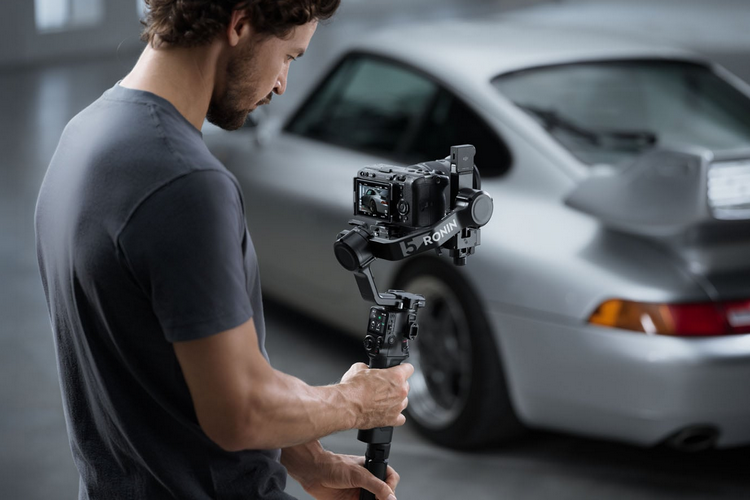
Single-handed gimbal stabilizers, whether for phones or bigger cameras, have come a long way since the original Ronin-S launched in 2018. That includes DJI’s own line, of course, which is now on its fifth iteration with the DJI RS 5.
The newest entry in the Ronan series, the gimbal promises improved subject tracking, increased stability, and longer battery life, among other upgrades. Simply put, it’s an improvement on all fronts, making it a worthy upgrade, especially if you’re still using one of the older models from a few years ago.
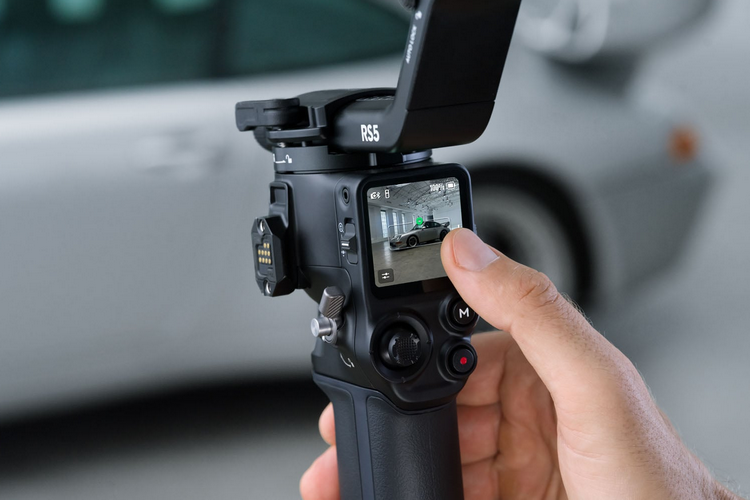
The DJI RS 5 is equipped with the latest generation of the company’s RS Intelligent Tracking Module, which enables users to track any subject by simply tapping on them from the gimbal’s touchscreen, with no need to use the integrated joystick. It can maintain a locked focus on human subjects up to 33 feet away, while being able to reacquire focus quickly when that same subject leaves the frame and returns. According to the outfit, it can identify a diverse array of objects, too, including people, pets, vehicles, and more. That particular module is installed magnetically, by the way, so there’s no need to use any tools, adapters, or accessories.
The gimbal also gets new motors that boasts 50 percent higher peak torque than the last generation, allowing it to be even more forgiving with sudden movements than previous versions. It’s accompanied by the fifth generation of the outfit’s stabilization algorithm, which promises significant improvements to stability when recording vertical video, which is crucial to many content creators these days. There’s no need for any special accessories to shoot in portrait orientation, either. The new motors, by the way, can support camera setups up to 6.6 pounds, so it should be able to handle most common mirrorless camera and lens combinations. Despite handling those payloads, it’s very lightweight, tipping the scales at just 3.2 pounds.
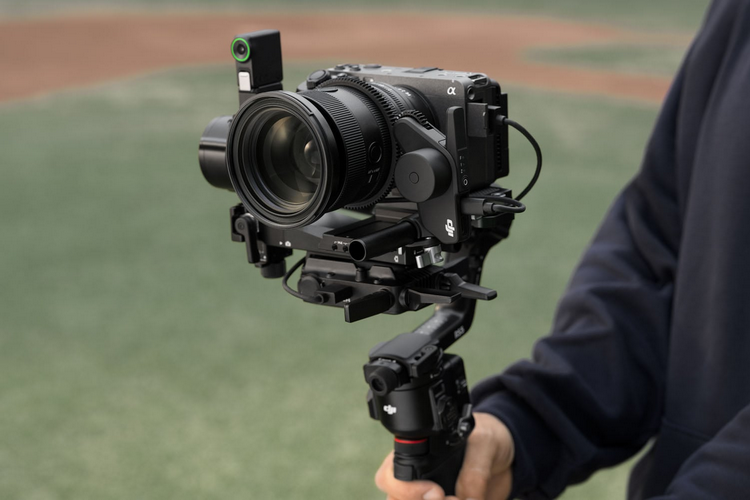
The DJI RS 5’s new Bluetooth shutter now supports Panasonic and Fujifilm cameras, allowing you to use those brands alongside Sony, Canon, and Nikon devices. As with previous versions, it allows you to adjust zoom using the built-in joystick, all while letting you adjust the focus using the integrated dial wheel. Simply put, you won’t need to fiddle much with the actual camera during the shoot, since it offloads most of the adjustments you’ll probably need directly on the single-handed gimbal you’re holding in your hand.

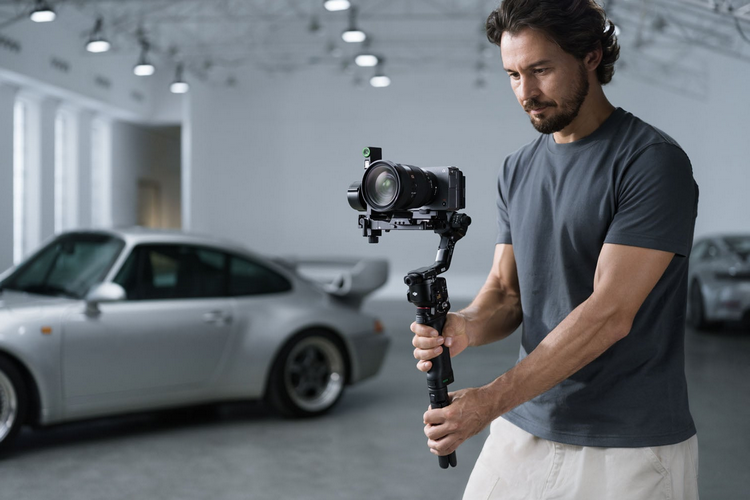
It uses a new Electronic Briefcase Handle design that, the outfit claims, makes shooting dynamic angles easier than ever, while retaining the same comfortable grip and one-handed operation found in previous iterations. The onboard battery fully charges in one hour and allows you to use the gimbal for up to 14 hours between charges, so your camera will probably require charging multiple times before you’ll need to plug this one in. You can even extend that to 30 hours if you get the optional enhanced battery grip. Other features include a new on-screen Z-axis indicator, fine-tuning knobs on each axis arm for more precise balancing, automated axis locking, dual-layered quick-release plates for quick-switching between gimbal and tripod, and remote control via the DJI SDR Transmission accessory.
The DJI RS 5 is now available in several markets, although there’s still no US release date. Price starts at $680.