In the daredevil sport of bobsledding, intrepid athletes crammed into a narrow sleigh offer their fates to gravity as they hurl down a banked, twisty ice track. Races can be won or lost in one hundredth of a second. The sleds reach speeds of 90+ miles per hour and the athletes withstand forces up to 5g. Some call it the ‘Formula One of ice’ for its potent combination of danger and speed.
With that in mind, it makes sense that the U.S. bobsled team worked with Honda to help them achieve their best times on the biggest athletic stage of the world: the Olympics. At Honda’s East Liberty, Ohio, facility, the Team USA Bobsled and Skeleton teams prepared to compete at the Olympic Winter Games in northern Italy.
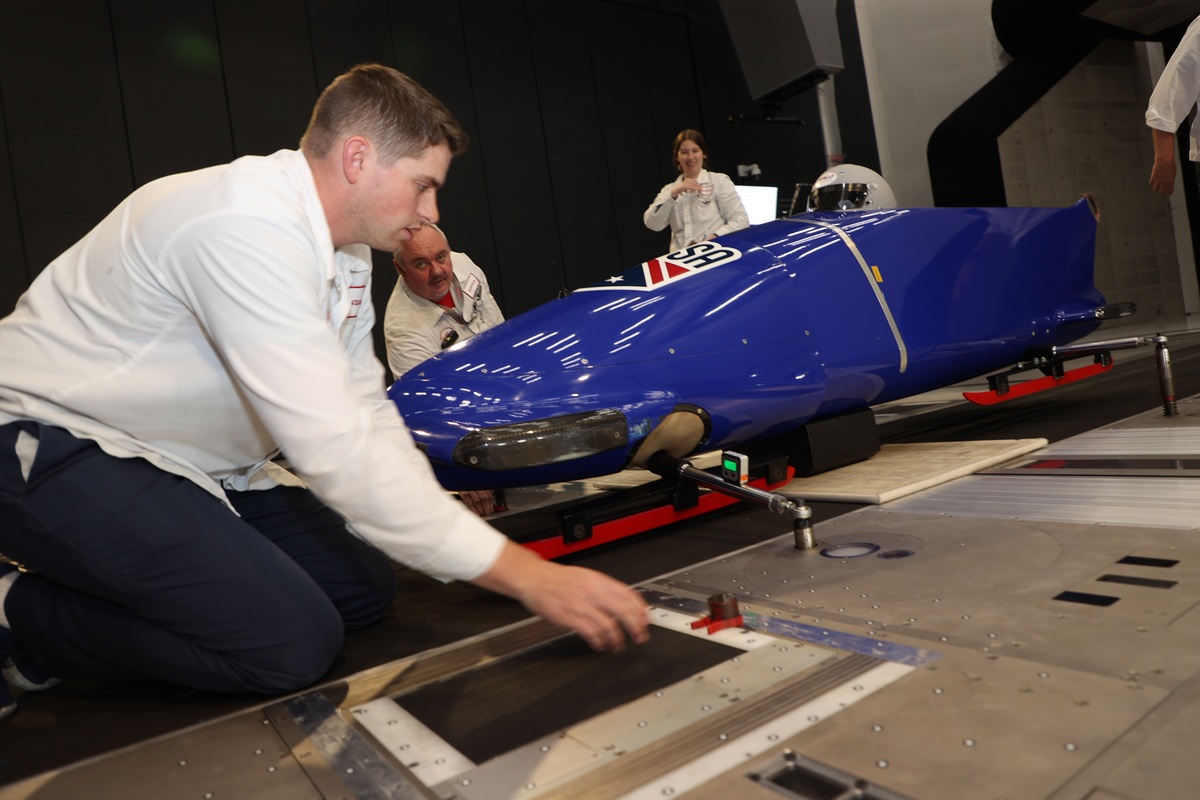
Using Honda’s $124 million, 110,000 square-foot wind tunnel, engineers reviewed data, suggested tweaks, and put their racing expertise to use. Racing is a core component of Honda’s DNA. Usually, though, it’s for motorized—not gravity-based—vehicles. According to Wind Tunnel Lead for Honda America Mike Unger, his highly skilled team was challenged in ways they hadn’t been before.
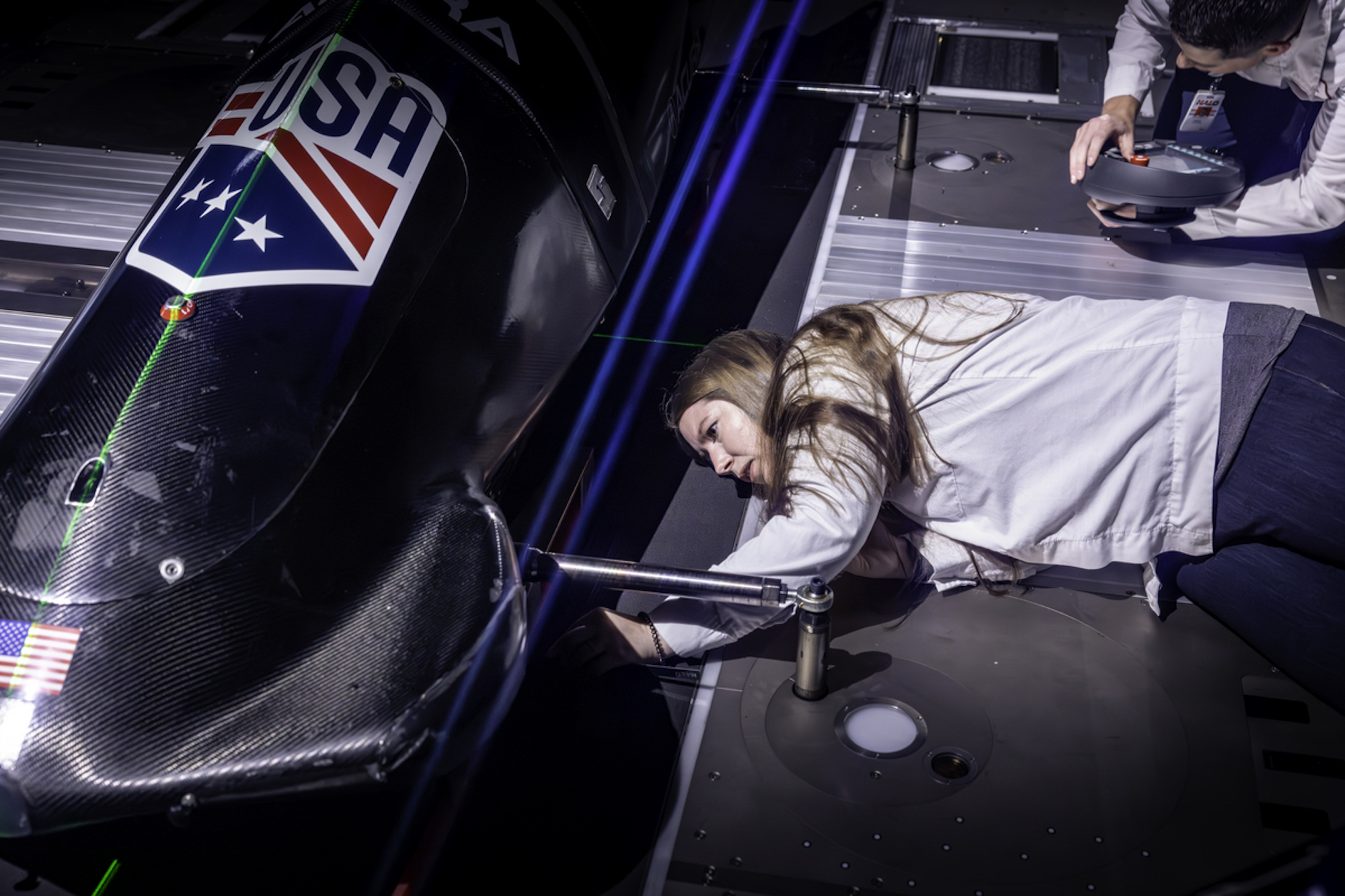
“I’ve been with Honda for 33 years, and I’ve done a lot of crazy things and developed a lot of unique things,” Unger says. “I never thought I would ever be developing a bobsled, and it was pretty cool. Honestly, putting this thing out there and competing on the world stage is kind of a big deal.”
Tiny adjustments can lead to gold
Wind tunnels are fierce, specialized constructs with equipment built to create maximum wind speeds of up to nearly 193 miles per hour. That’s mightier than a Category 5 hurricane, but with much more control. Honda uses its Ohio wind tunnel to measure aerodynamic flow quality for vehicle development and improve the coefficient of drag. For consumers, that translates to better range for EVs and efficient use of fuel in gas-powered cars and SUVs.
The partnership began organically: a connection to one of Honda’s racing team engineers casually mentioned that it would be interesting to bring the U.S. bobsled team to the wind tunnel for testing. Unger was consulted, and he started the ball rolling. Once the plan to move forward was in place, the engineering team posed three major questions to the bobsled team: How can we help? What do you need from us? How can we help you win gold medals?
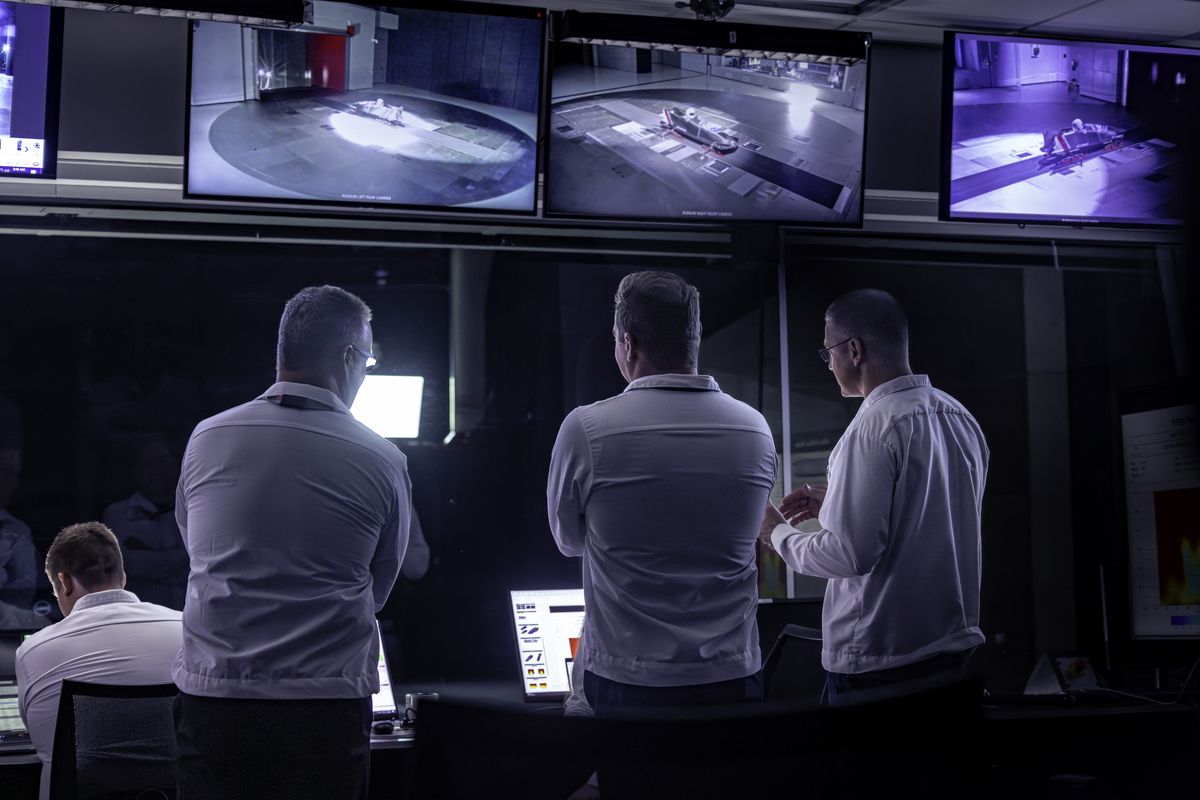
In August and September of last year, Team USA athletes from the bobsled and skeleton teams traveled to Ohio for testing. The Honda engineers helped the teams understand and document the results, offering analysis to create the best aerodynamic performance.
Through science, the testing busted some myths about bobsled aerodynamics that had been previously believed.
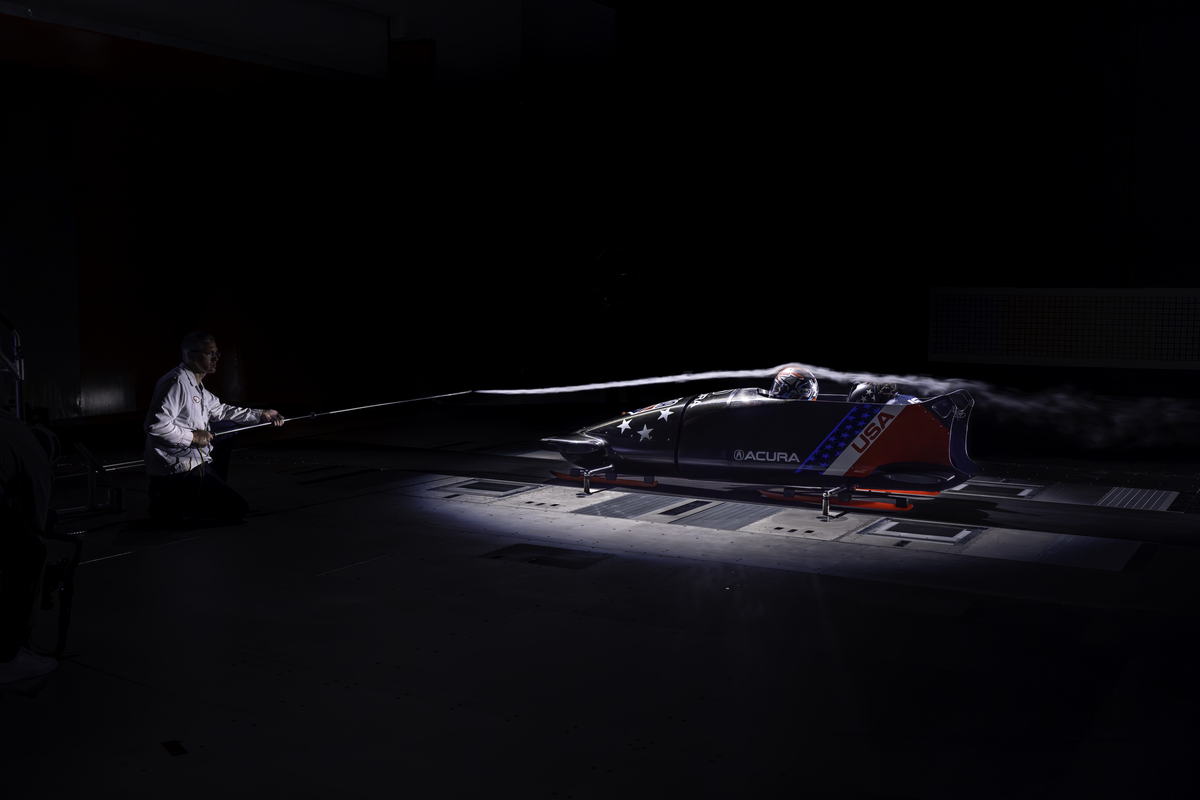
“There was this thought that you had to have all the athletes in perfect alignment all the time, all the way down the run,” Unger says. “So we said, ‘Okay, what happens if positions two, three and four are to the left and the pilot is to the right?’ What we learned was while it is a very slight aerodynamic negative it’s not as bad as anyone thought. It’s a very small effect, whereas popping your head up made a significant impact versus leaning to the left or leaning to the right.”
Tests also revealed that positioning of each athlete’s helmet also made a difference. The helmet isn’t a simple sphere; tilting that shape affects performance, as does the position of each athlete.
“You have to remember, they’re experiencing three…four… even five Gs in the corners, so it’s impossible for them to hold that exact position all the time,” Unger says. “But we did provide documentation of what [the angle] looks like so then they can try to get back to that optimum position when they can.”
Innovation via side projects
Staff at the Honda Automotive Laboratories in the Ohio facility don’t typically work with Olympic teams. This is somewhat of a passion project that adds to their workload, but it’s one that stokes innovation. Unger himself says he is an “avid speed freak” who also indulges in motorcycle drag racing, kart racing, and jet skiing. Helping the bobsled and skeleton athletes is a way for his team members to step outside of their lane.
“All the engineers that are working on this have their day jobs, working on the next Honda Pilot or Acura MDX or whatever it may be, and they’ve taken this job on as an extra thing to do,” Unger says. “There are a lot of passionate, very talented people here at ADC and they’re all very excited to help out the Olympic team. And to be honest, it’s an extremely good side project for them that gets them to think in a little bit different way.”
The project isn’t even close to finished, either. This program runs through the 2030 games and Honda is working with the teams to develop a new four-person sled and then a two-person sled. By 2030, the US bobsled team will be competing in these aerodynamically improved new sleds that were tested and developed in Honda’s wind tunnel.
“It was completely game changing,” said Team USA bobsled athlete and world champion Kayla Love in a documentary released on February 11. “And the information we were able to find, maybe you’re in the same exact position but maybe you’re tilting your head a tiny bit back or a tiny bit forward and it can make a world of difference.”
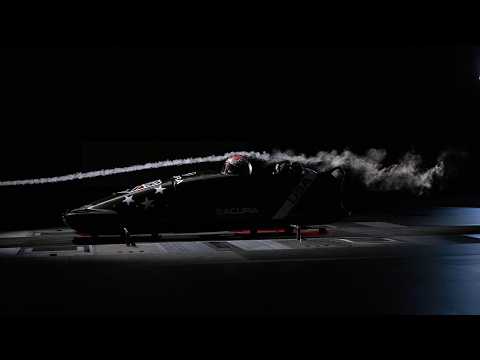
Strength in Motion: The Honda x USA Bobsled/Skeleton Story

2025 PopSci Best of What’s New