This year, the Federal Reserve will begin officially “phasing out” the penny. The plucky little copper-colored coin used to be able to fetch you a piece of candy from the corner store. Then it was found mostly tucked into loafers and floating at the bottom of wishing wells and fountains. As much as we hate to see them go, you have to admit you haven’t had an actual use for a penny in years…unless you found one on the street (face up, of course) and picked it up hoping for a good luck boost.
But the idea that a coin could do its duty and then be retired might spark something else in you–maybe a desire to find more out-of-date and discontinued coins. Maybe this leads you to dig into the history of coin production, and the hidden secrets and details that distinguish one from another. Before you know it, you might want to become a full-fledged coin collector. A numismatist, if you want to use the proper term.
But then what?
To give you some tips on how to get started, we reached out to former journalist and spokesman for the Professional Numismatists Guild, Donn Pearlman. Pearlman’s own journey started when he was 8 years old and “received a mint state, shiny red Lincoln cent.” He came back to the hobby later in life, and this “a reborn numismatist” has found coin collecting to be a fascinating and fulfilling hobby.
“Even though I have never owned a multi-million-dollar trophy coin,” says Pearlman. “I’ve been lucky and thrilled in my professional life to see and hold many of the world’s most famous rare coins.”
Here is Pearlman’s advice on how budding numismatists can get started…
Start simple
According to Pearlman, most people begin their collecting journey with everyday coins found in circulation. But knowing what to look for is what separates a coin collection from just a collection of coins. And for that you need to read up.
“There’s an old saying in numismatics: ‘Buy the book before the coin.’ If you’re interested in United States coins, buy the latest edition of A Guide Book of United States Coins, commonly known in the hobby simply as ‘The Red Book’ because of its red cover. There are similar reference books and online resources for information about U.S. coins and those of other countries.”
Pearlman advises starting out with something that has some personal resonance. “Do you like the historical event or person depicted on the coin or bank note?” he says. “Perhaps you want to put together what’s known as a ‘type set,’ one representative example of each denomination and design struck during a certain time period, such as the 20th or 19th century? Bottom line: Collect what you enjoy, whether it is a Wheat Stalk design Lincoln cents from 1909-1958, or ancient Roman coins depicting the 12 Caesars.”
And the best part is, you don’t have to spend a lot to get started. “You can enjoyably begin a collection for less than a dollar by starting with the many designs, dates, and mintmarks of coins easily found in circulation.” Pearlman suggests attending coin shows and asking questions to learn the lingo and understand the tiny details that differentiate one coin from another.
Old doesn’t always equal valuable
One of the most common misconceptions novice collectors have, according to Pearlman, is the incorrect assumption that just because a coin is old, it must be rare and valuable. “There are many ancient Roman bronze coins priced at $50 or less. But a 1913 U.S. Liberty Head nickel is worth millions because only five are known.”
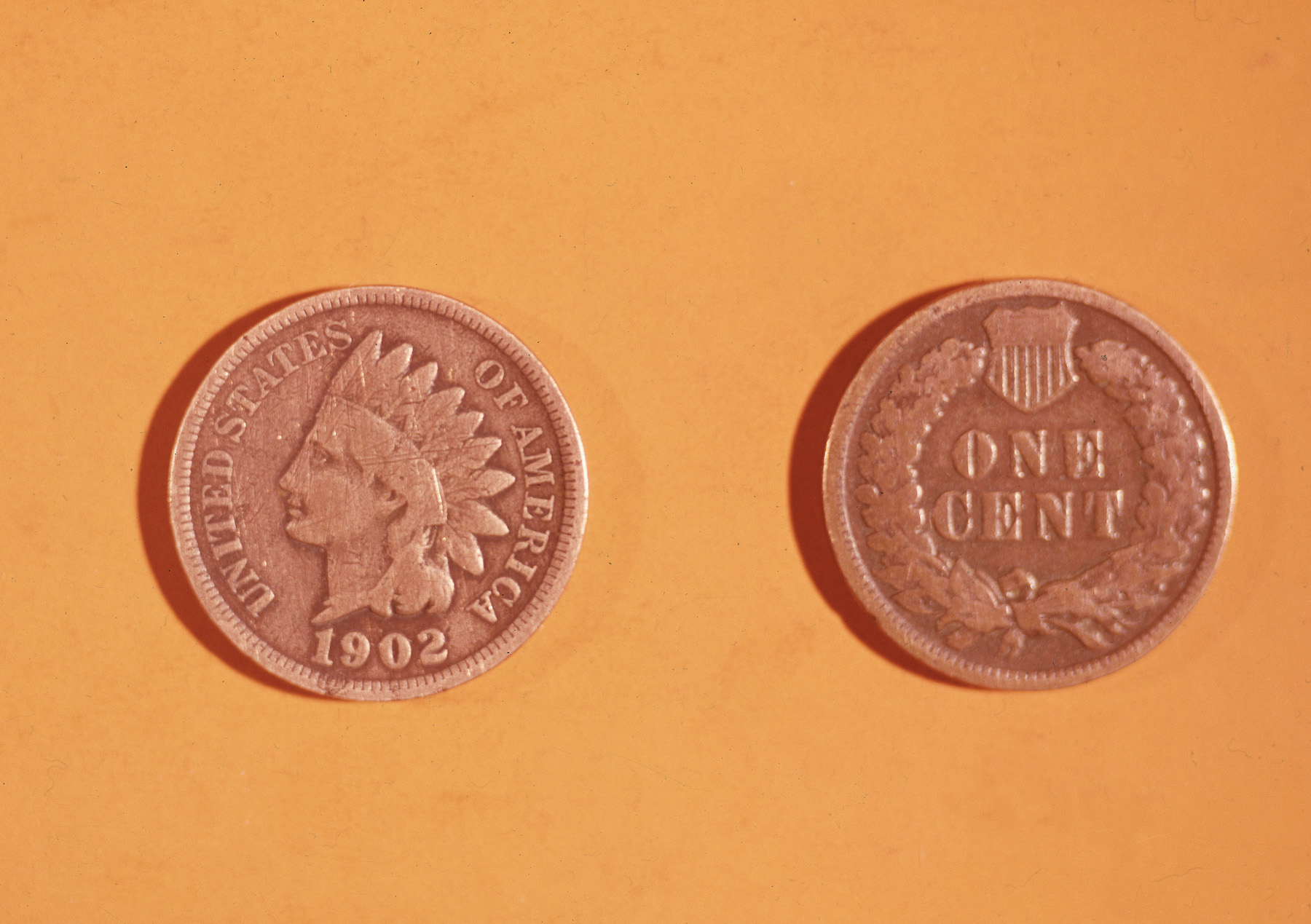
It’s a simple case of supply and demand. “The value is also determined by a coin’s condition, its state of preservation. A worn, early-1900s Indian Head cent may be worth a dollar or two, but in pristine, mint state condition, it could be valued at thousands of dollars.”
Don’t clean them!
The flip side (pardon the pun) of thinking that old decrepit coins are automatically valuable is assuming that bright, shiny coins are more coveted. This could lead to some very costly mistakes.
“I frequently tell the story of a heartbreaking encounter I witnessed at a coin store when a widow brought in her late husband’s collection to sell,” says Pearlman. “She had scrubbed each coin with a kitchen scouring pad in the mistaken belief that making them ‘bright and shiny’ would increase the value. The dealer had to gently tell her that harsh, abrasive cleaning only damages coins. One of the silver dollars she wanted to sell would have been valued at $1,000, but the now-damaged coin was only worth about $100.”
Handle (and store) with care
As you start to amass your collection, it’s also important to think about how to store and handle the coins. Pearlman has seen people store them in home safes or even bank safe deposit boxes. Coins that have been graded by an accredited institution like the Professional Coin Grading Service will put the coins (or bills) into tamper-resistant holders that protect against environmental damage.
Pearlman warns against using any storage container made of PVC (polyvinyl chloride) as they can cause long-term damage to your coins. And if you must handle them, only hold coins by their edges to avoid leaving fingerprints on the front or back.
Don’t get swindled!
“There’s another old saying: ‘If you don’t know coins, then you better know your coin dealer’,” says Pearlman. Technology has made finding and researching coins easier in some respects, but it has also given new tools for those looking to scam novices.
“It’s created a Wild West of completely inaccurate information and false advertising from a small army of scammers selling counterfeits, altered coins, and/or grossly overgraded items. Again–know your dealer!”
Pearlman recommends only working with people who are members of recognized professional organizations such as the nonprofit PNG–which follows a strict Code of Ethics–or the American Numismatic Association. Also, check to make sure the dealership has a good rating from the local Better Business Bureau.
“To quote yet another hobby proverb: ‘There is no Santa Claus in numismatics.’”

2025 PopSci Best of What’s New