Australian police are cracking down on groups of unruly teenagers who they say are using deceptively speedy e-bikes and scooters to engage in “antisocial riding behavior.” Their solution: confiscate the popular micromobility devices and crush them.
The roundup, dubbed Operation Moorhead, began last week in the suburbs of Perth in southwestern Australia. Police reportedly received complaints about menacing youths riding recklessly, evading officers, and “intimidating members of the public.”
In some cases, the teens hurled objects at other vehicles and posted videos of their pranks on social media. One of those clips reportedly shows a 12-year-old zipping by on an e-bike capable of reaching speeds approaching 50 miles per hour. The ensuing crackdown led to the arrests of 25 youths between the ages of 11 and 18 and the seizure of 36 e-rideables. Western Australia (WA) police are now reportedly planning to ramp up e-bike seizures across the state.
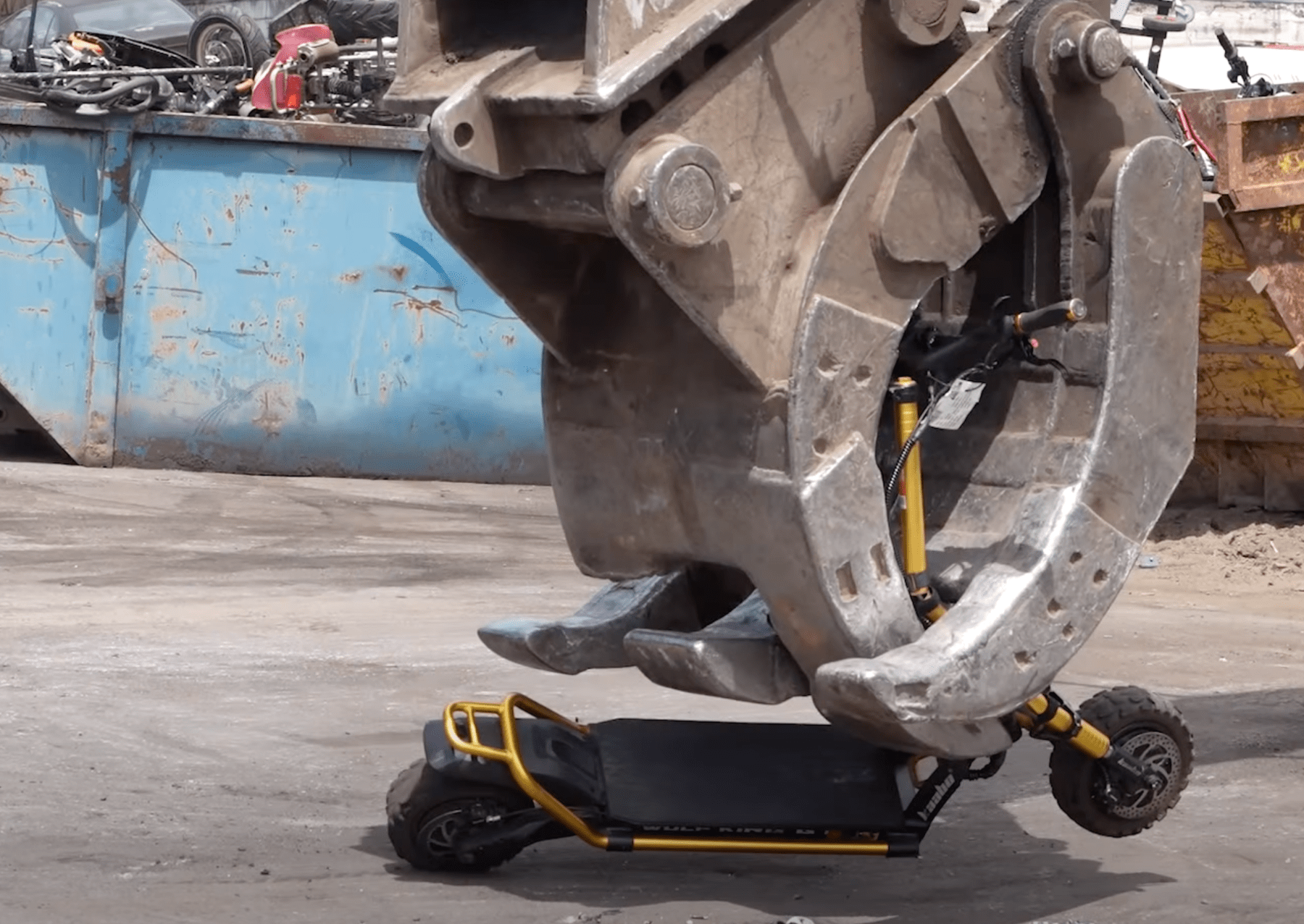
A video posted on Facebook by Western Australian police shows several seized e-bikes and electric scooters being grabbed by an excavator’s claw and crushed flat. The claw then releases the broken bikes and pounds them down once more for good measure. What remains of the mangled metal is then chucked into a large pile of scrap.
“WA police will not tolerate anti-social behaviour that targets our community,” Joondalup police Acting Inspector Scott Gillis said during the press release. “It’s totally unacceptable.”
E-bikes, electric scooters, and other micromobility devices have surged in popularity as a convenient, easy way to navigate cities that lack reliable public transportation. But their relatively high maximum speeds—compared with traditional bicycles—have also led to a major uptick in accidents and sparked backlash from critics who argue they should be treated and regulated more like motorcycles.
Micromobility-related injuries are also on the rise, and not just Down Under. A 2024 U.S. A Consumer Product Safety Commission (CPSC) survey found injuries, both for riders and pedestrians, involving the devices increased nearly 21 percent between 2021 and 2022. A separate study published in the American Journal of Public Health estimates e-bike and scooter injuries increased by a staggering 293 percent and 88 percent respectively between 2019 and 2022. That data notably doesn’t specify how many of the injuries involved rampaging teens.
Cops are cracking down on e-bikes
Local governments in the U.S. are beginning to pass new laws aimed at reining in potentially dangerous riders. Last month, Houston’s City Council voted unanimously to approve an ordinance putting in place a curfew that restricts e-scooter use between 8 p.m. and 4 a.m. South Carolina also recently enacted a law allowing police to fine e-bike riders up to $500 if they are caught pushing the devices past 12 miles per hour. Police in New York City have likewise increased penalties for e-bike–related offenses, a move some critics fear could disproportionately target delivery drivers who have embraced the devices.
Back in Australia, Willis says part of the problem, at least when it comes to teens, stems from the vehicles’ deceptive appearance. Parents unfamiliar with modern advances in e-rideable technology buy their children bikes and scooters without realizing they are capable of reaching such high speeds. They are also often unaware of laws already on the books that restrict where and how the devices can be used.
“We would like to remind the community that e-rideables are a type of vehicle so all road laws that apply to vehicles apply to e-rideable as well, unless expressly excluded.”

2025 PopSci Outdoor Gift Guide