“Cooking is art—but baking is science,” Bill Nye the Science Guy once said. While a batch of freshly baked chocolate chip cookies doesn’t resemble anything you’d whip up in a chemistry lab (hopefully), there’s plenty of chemistry happening in your oven. Understanding those reactions can help you craft the perfect cookie.
‘Perfect’ is a matter of taste. Some people like cookies with a soft and gooey center, while others prefer a cakey or crunchy texture. Most recipes call for flour, salt, baking soda, butter, sugar, eggs, and (of course) chocolate. But their ratios change depending on the taste and texture you’re aiming for, explains Dr. Lesa Tran, a chemistry professor at Rice University. Tran grew up in a family that owned a fortune cookie factory, and now teaches a popular class on the chemistry of cooking.
Here’s what each ingredient does and how you can tweak their ratios to make the perfect chocolate chip cookie ever, at least according to your unique tastes.
Understand the role of each ingredient
Flour gives cookies their framework, explains Tran. When it mixes with water (which comes from butter and egg whites in the cookie mixture), flour proteins called glutenins and gliadins link up to form gluten, an elastic network that solidifies in the oven and “gives the cookie its height, body, and chew.” Since bread flour contains more proteins than cake flour, it leads to more gluten formation and a chewier texture. Many bakers blend the two kinds of flour to balance chewiness with softness.
Salt doesn’t just contrast and balance the sweetness from the sugar. It also boosts chocolate’s flavor. Additionally, salt helps stabilize the protein networks built by gluten and egg proteins, says Tran.
Baking soda, or sodium bicarbonate, is a raising agent. When exposed to heat and acidic ingredients, like brown sugar, it releases carbon dioxide, which lifts the dough and yields a “lighter, taller, and more tender cookie,” explains Tran. Some recipes may call for baking powder instead. This has the same effect, but it comes with its own built-in acid, meaning it releases carbon dioxide as soon as it meets water.
Butter is a mixture of milk fat, proteins, and water. As it melts, it causes the dough to spread, which affects the cookie’s final shape. The fat from butter and eggs coats flour proteins. This slows gluten’s formation and keeps cookies soft and crumbly (too much gluten makes a cookie chewy). This is why the more butter you add, the softer your cookie will be. In the oven, the proteins in butter react with sugar in a process called the Maillard reaction. This produces “the caramel colors, nutty aroma, and toasty flavors we crave in baked goods,” explains Tran. And the water in butter converts to steam, giving the cookie its volume.
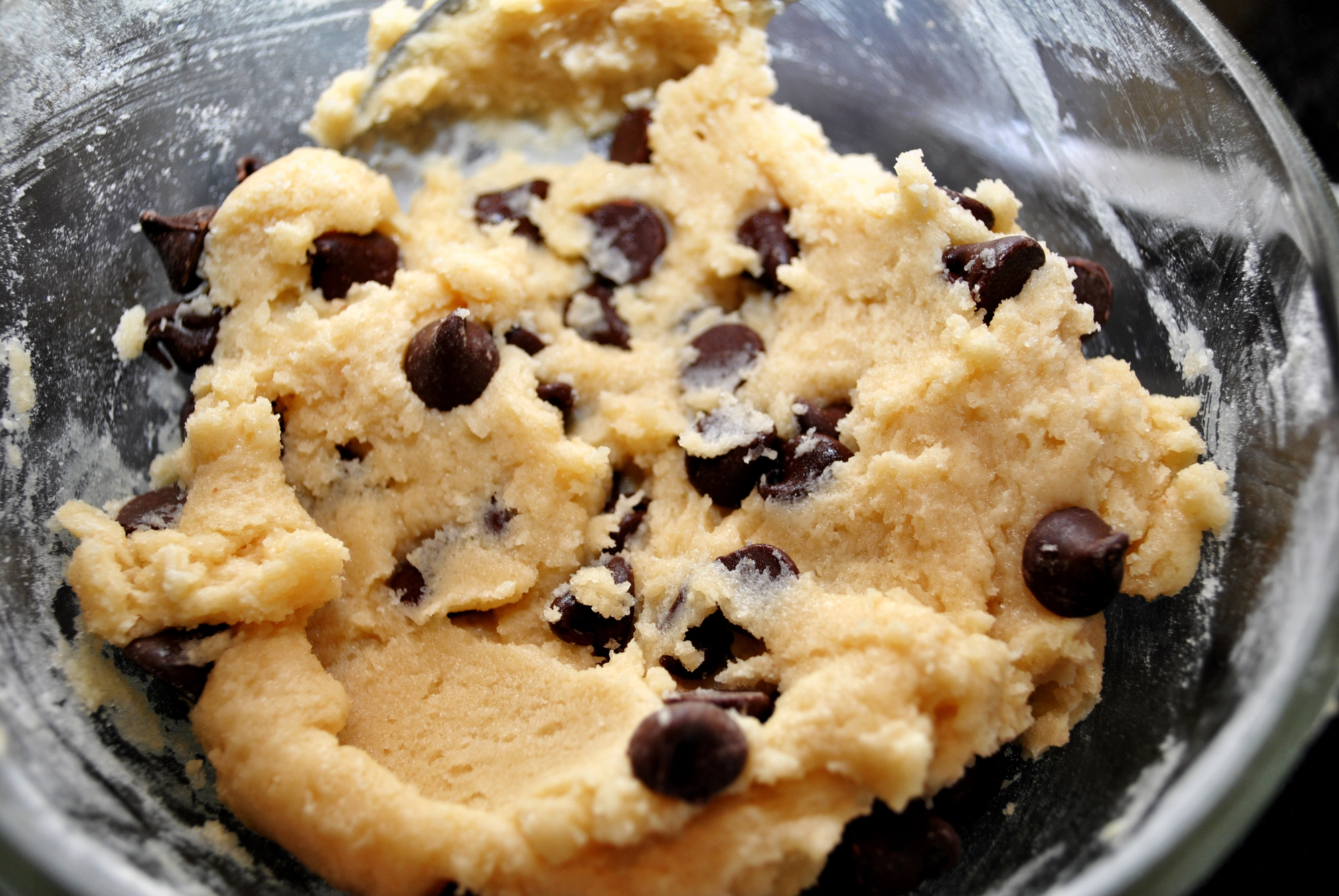
Sugar shapes texture as much as flavor, says Tran. Because it attracts and holds water, it helps keep cookies moist and soft.
Eggs also have multiple functions in the cookie mixture. Egg whites contribute water, which reacts with flour proteins to form gluten, leading to a taller cookie. The proteins in egg whites firm up when heated, explains Tran. This strengthens the cookie’s structure and traps air and water vapor, which also contributes to the cookie’s height. Egg yolks, on the other hand, are a source of fat, which gives cookies their “creamy flavors and textures,” says Tran. More egg whites produce taller cookies, and more egg yolks create fudgier ones.
And then there’s the chocolate chips. Thanks to the unique crystal structure of cocoa butter—the fat in chocolate—chocolate chips maintain their shape as they melt, just enough to create gooey pockets of chocolate in the cookie, without dissolving in the dough, explains Tran.
Try these science-based baking hacks
Tran has a few favorite tricks for engineering the perfect cookie. First of all, butter temperature can make or break the texture. Room-temperature butter traps air when it’s creamed with sugar, giving you lighter, softer cookies. Melted butter can’t hold that air, so the dough stays denser—and so do your cookies.
Related Stories
Scientists figured out the optimal cup of coffee
Are induction stoves better? These chefs think so.
Can one big meal really make you gain weight?
Is microwave cooking nuking all the nutrients?
What are ultra-processed foods and are they bad for me?
Does eating spicy food help you lose weight? Science has a clear answer.
She also recommends using a mix of sugars. Brown sugar brings molasses to the party, which adds deeper flavor, a darker color, and a chewier texture. White sugar yields crispier edges and more spread. Combine them, Tran says, and you get “the best of both worlds.”
Next up: chill the dough. “Even just 30 minutes will allow the flour to hydrate more evenly and flavors to develop,” Tran says. Cold dough also spreads more slowly in the oven, giving you taller, thicker, chewier cookies.
And when your cookies are in the oven, don’t wait for the centers to look fully done. Cookies continue to cook from the residual heat they retain after being removed from the oven. So Tran suggests pulling them out of the oven “when the centers look a little soft, to give you a crispy exterior with a gooey center.”
Experiment like a scientist
Tran suggests approaching cookies the way you would any experiment: change one variable at a time. Use cake flour instead of all-purpose flour. Substitute brown sugar for white sugar. Add an extra egg.
“Make some observations, taking notes on how each variable impacts the cookie’s overall taste and texture,” she says. “Continue refining the recipe in this way until you land on your version of the perfect chocolate chip cookie!”
Now if you’ll excuse me, I’m off to put these tips to the test.
In Ask Us Anything, Popular Science answers your most outlandish, mind-burning questions, from the everyday things you’ve always wondered to the bizarre things you never thought to ask. Have something you’ve always wanted to know? Ask us.